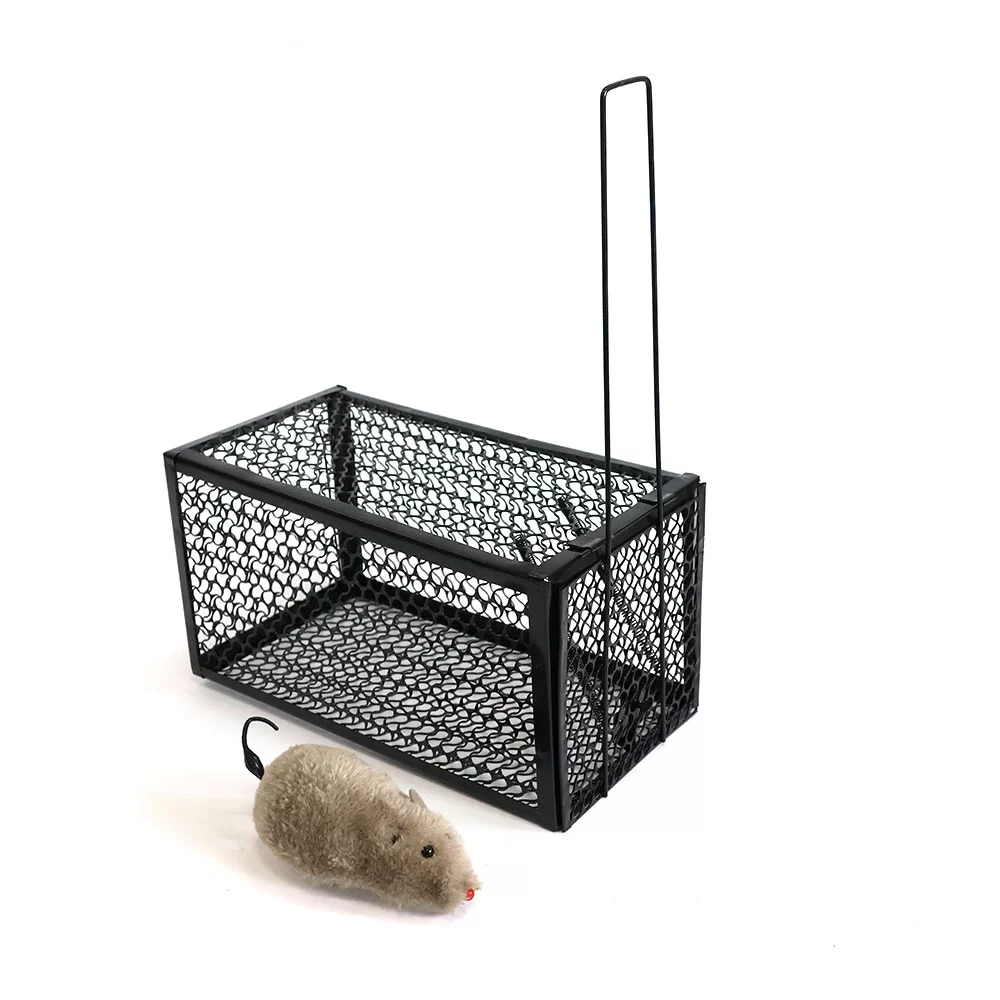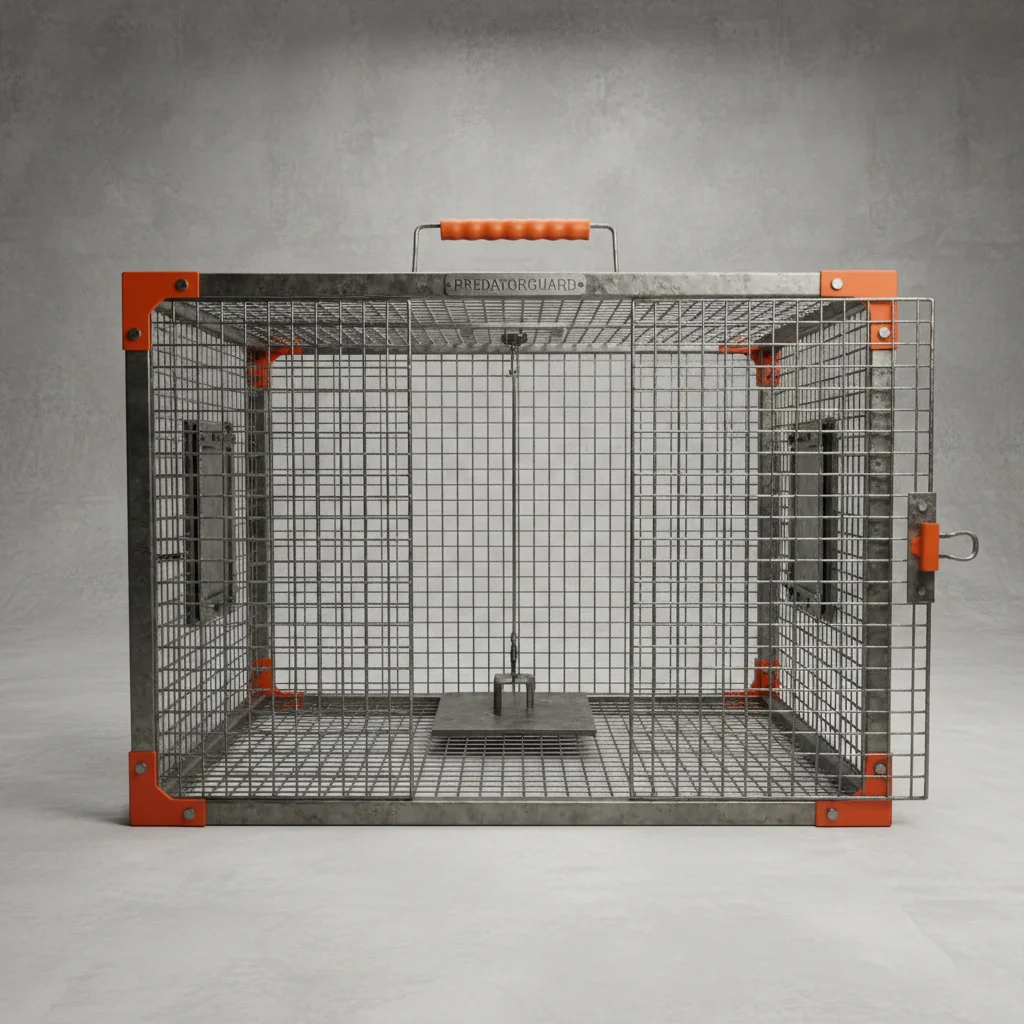
The innovative application of cage trap technology is rapidly evolving, offering solutions to diverse challenges across multiple sectors. Initially conceived for animal control, its principles are now being adapted to address critical needs in disaster relief, temporary housing, and secure logistics. Understanding the fundamentals of cage trap construction and deployment is vital for organizations and individuals seeking rapid, cost-effective, and adaptable solutions. Globally, the demand for flexible and quickly deployable infrastructure is escalating due to increasing natural disasters, humanitarian crises, and the need for adaptable workspaces. Cage trap systems, offering inherent portability and modularity, provide a compelling alternative to traditional construction methods, which are often slow, expensive, and environmentally impactful. According to the UN Office for Disaster Risk Reduction, the number of recorded disaster events has increased fivefold over the past 50 years, underscoring the urgent need for resilient and rapidly deployable solutions.
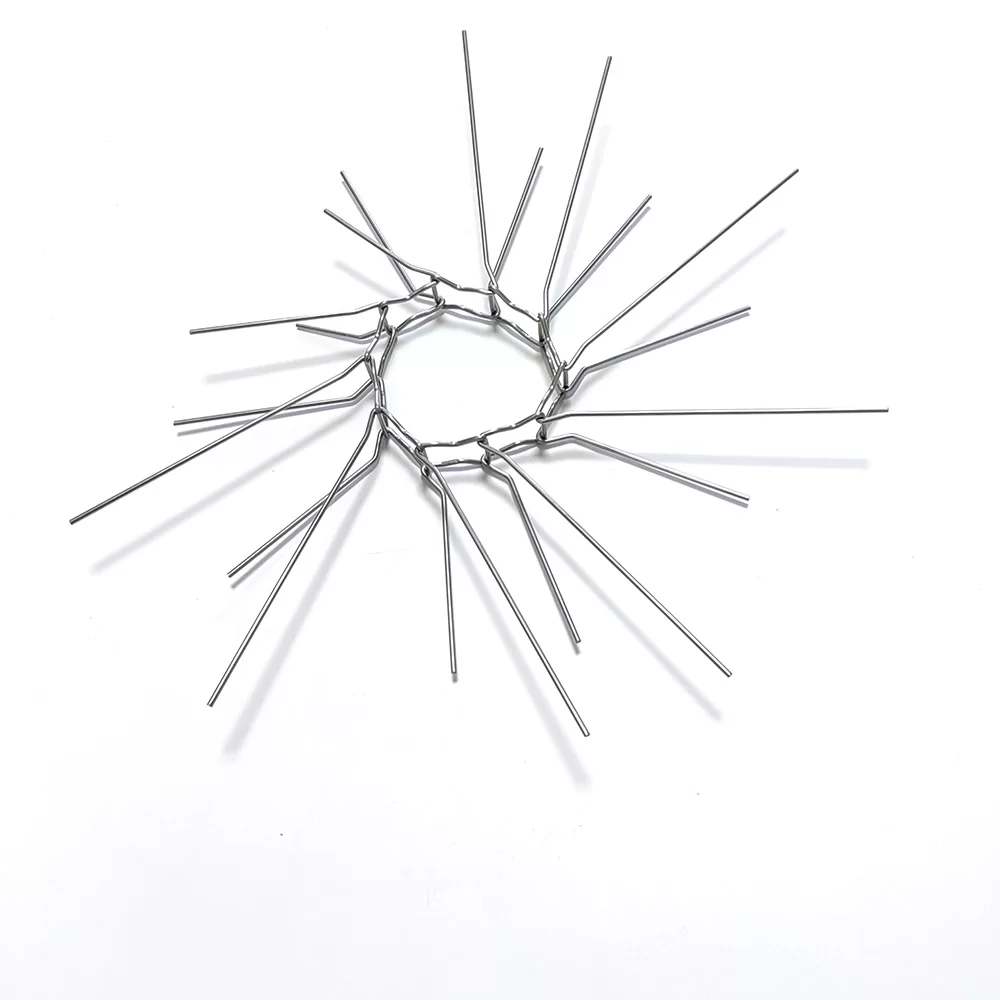
Bird mesh, a versatile and increasingly vital component in modern infrastructure and emergency response, is rapidly gaining global recognition. Initially conceived for specialized applications like aviary protection, its inherent properties – lightweight durability, adaptable configuration, and cost-effectiveness – have broadened its utility across diverse sectors. Understanding bird mesh isn’t just about the material itself, but about a paradigm shift in how we approach shelter, security, and sustainable building practices. The global demand for rapid deployment solutions, whether for disaster relief, temporary housing, or remote industrial operations, is escalating. Factors such as increasing frequency of natural disasters, global population displacement, and the need for scalable infrastructure in challenging environments drive this demand. Bird mesh offers a compelling alternative to traditional construction methods, addressing critical needs with speed, efficiency, and minimal environmental impact.