02 February 2026
Yellow sticky traps are a simple yet remarkably effective tool for pest control, especially in indoor settings like greenhouses, farms, and homes. These traps utilize the natural attraction of many flying insects to the color yellow, capturing them on a sticky surface. This article will delve into the uses of yellow sticky traps, their benefits, optimal placement strategies, and important considerations for maximizing their effectiveness. Understanding how to properly use these traps can significantly reduce pest populations without resorting to harmful chemicals. We’ll explore the various applications and provide insights into selecting the right trap for your needs.
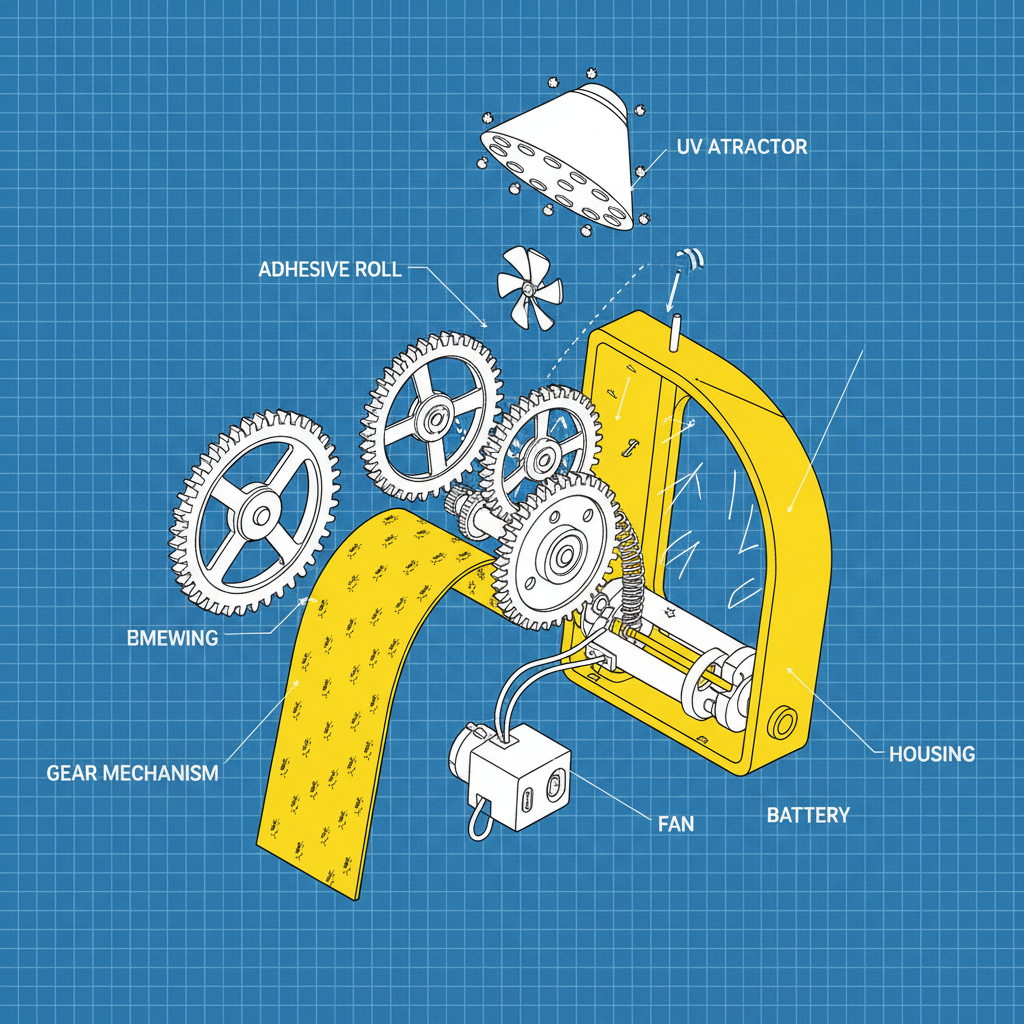
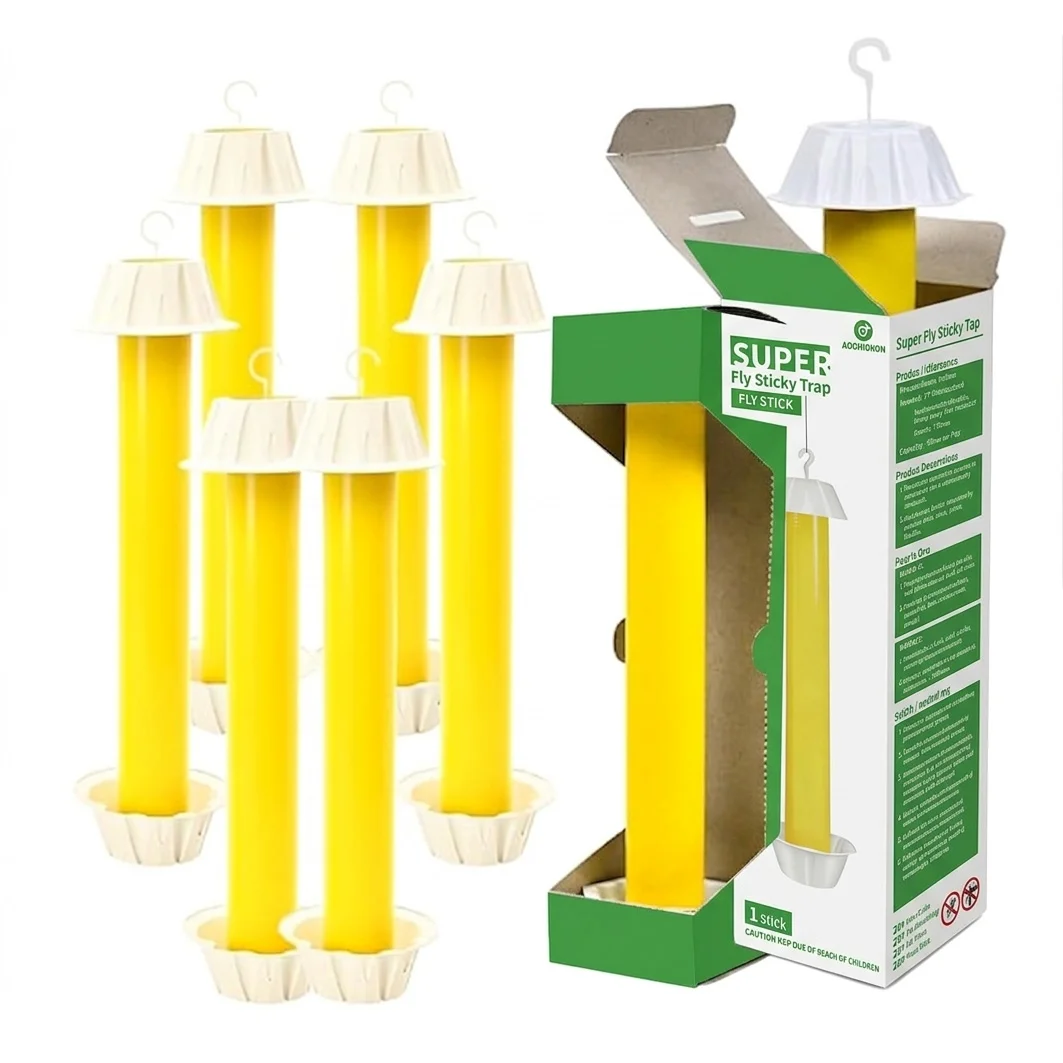
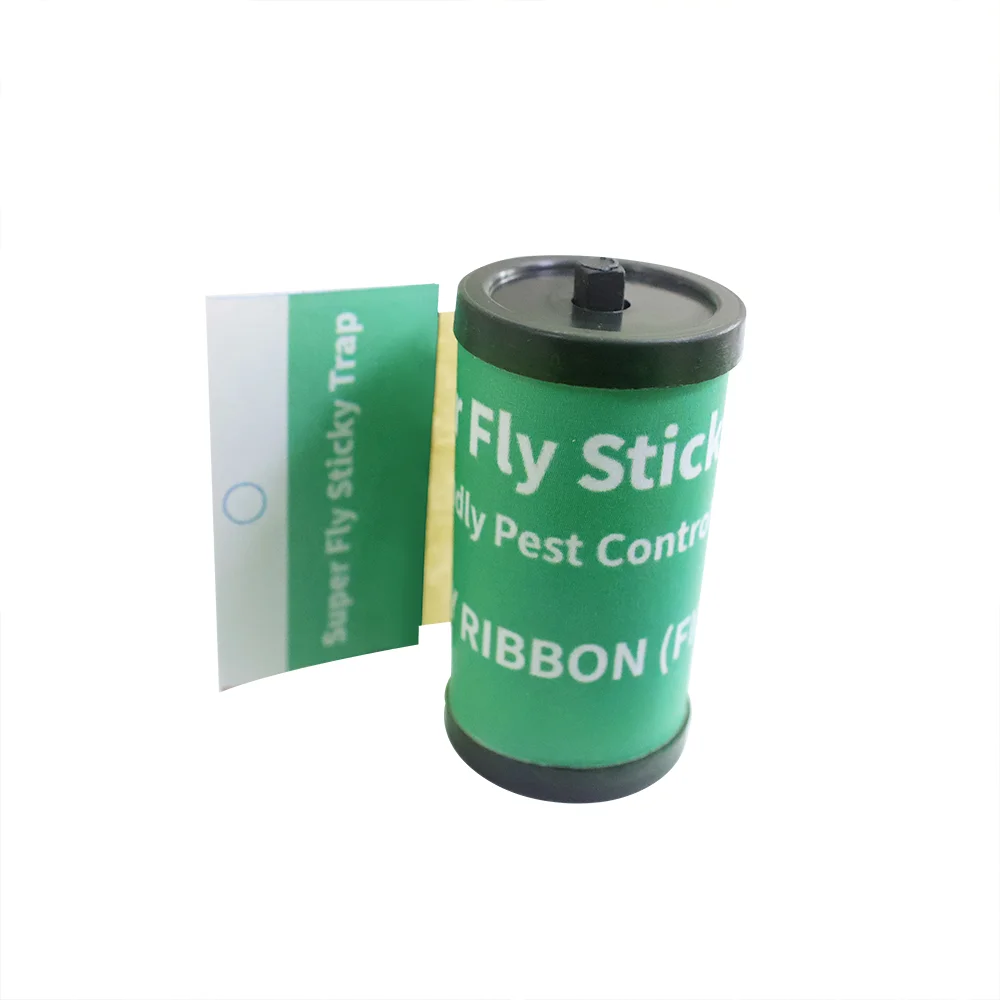
Yellow sticky traps are typically made of bright yellow plastic or cardboard coated with a strong, non-toxic adhesive. The yellow color mimics the flowers that many flying insects, such as whiteflies, fungus gnats, aphids, and thrips, are naturally drawn to. Once an insect lands on the trap, it becomes firmly stuck, removing it from the environment. This makes them a particularly effective monitoring and control method for greenhouses and indoor growing operations. Importantly, sticky traps don't kill the insect immediately, allowing for observation of pest types and population size. This data helps in making informed decisions about broader pest management strategies.
Key Benefits: Non-toxic, easy to use, effective monitoring tool, environmentally friendly, removes pests from the environment.
The effectiveness of yellow sticky traps relies heavily on proper placement. Ideally, traps should be hung horizontally, at a height corresponding to the typical flight path of the target pests. In greenhouses, this often means placing traps just above the plant canopy. For fungus gnats, placing traps near the soil surface is most effective. Avoid placing traps in direct sunlight, as this can dry out the adhesive and reduce its stickiness. Regularly check the traps and replace them when they become saturated with insects or lose their adhesive properties. The number of traps needed depends on the size of the area and the severity of the infestation.
Optimal Placement Guidelines:
• Hang horizontally at pest flight height.
• Near soil surface for fungus gnats.
• Avoid direct sunlight.
• Replace when saturated or adhesive fails.
Several types of yellow sticky traps are available, each with its own advantages. Standard flat traps are cost-effective and suitable for general monitoring. Roll-up traps offer a larger surface area and are often used in larger areas. Spiral traps are effective for hanging from plants and catching insects from all directions. The best type of trap depends on the specific application and the size of the area to be protected. Consider the duration of effectiveness, ease of disposal, and cost when selecting the right trap.
While effective, yellow sticky traps are most impactful when used as part of an integrated pest management (IPM) program. IPM involves a multi-faceted approach that includes preventative measures (such as maintaining good sanitation), biological control (using beneficial insects), and, when necessary, targeted chemical applications. Sticky traps help to monitor pest populations, alerting you to potential outbreaks early on. They also remove a portion of the pest population, reducing the need for more aggressive control methods. HB Archer Fish provides a range of solutions for building a robust IPM program.
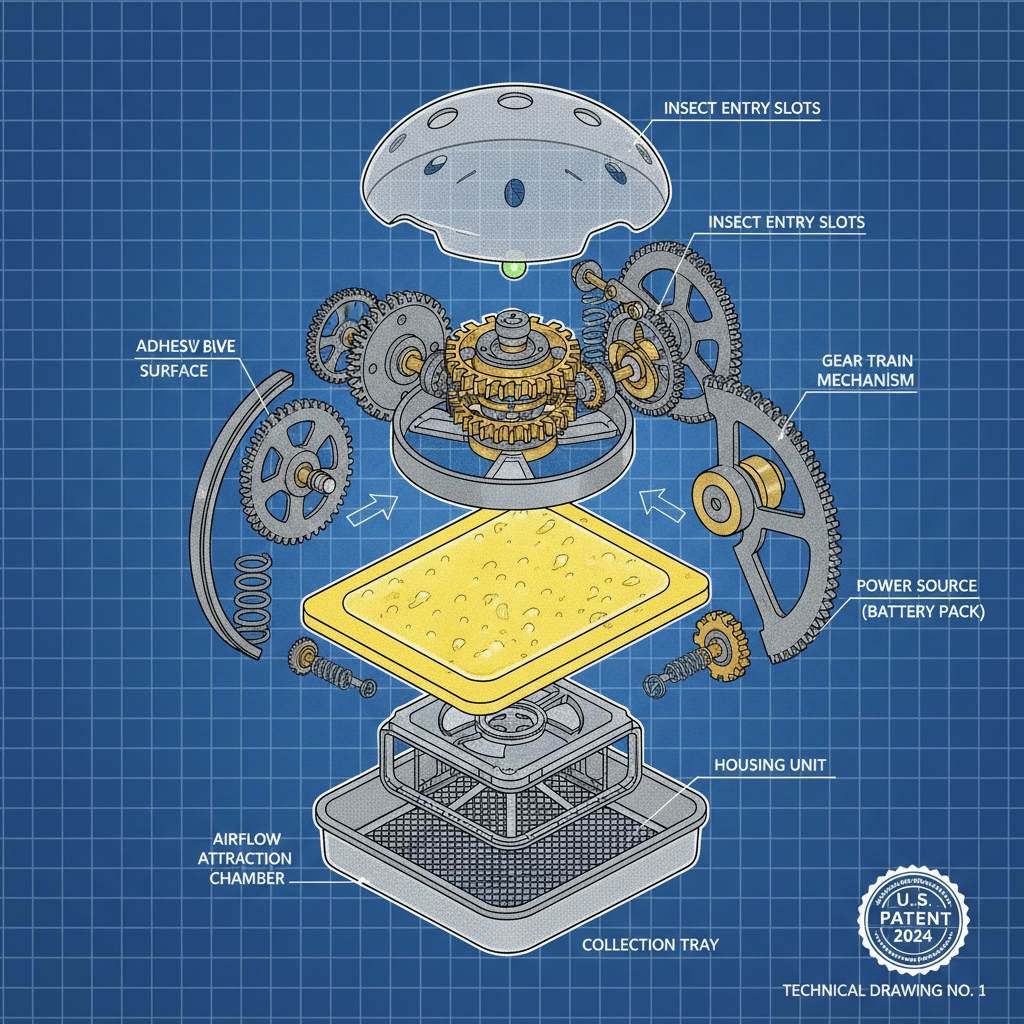
HB Archer Fish offers a variety of high-quality yellow sticky traps to suit different needs. Our traps are manufactured with a premium adhesive to ensure maximum capture rate and longevity. Here's a detailed overview of our key specifications:
Yellow sticky traps are an invaluable tool for effective pest management. By understanding their use, choosing the right type, and integrating them into a broader IPM strategy, you can significantly reduce pest populations and protect your plants and crops. Explore the range of yellow sticky traps offered by HB Archer Fish for a reliable and environmentally friendly solution.
Yellow sticky traps are primarily effective against flying insects that are attracted to the color yellow, including whiteflies, fungus gnats, aphids, thrips, and leaf miners. They can also capture some small moths and other flying pests. The effectiveness varies depending on the specific pest and the environmental conditions. Consistent monitoring of the traps will reveal which pests are present in your environment, allowing you to tailor your pest control strategy accordingly. They aren't as effective on larger insects that aren’t visually guided by color.
The frequency of replacement depends on the level of pest activity and environmental conditions. Generally, traps should be replaced when they become covered with insects or when the adhesive loses its stickiness. This typically occurs every 4-8 weeks, but it could be more frequent in areas with high pest populations. Regularly inspect the traps and replace them as needed to maintain their effectiveness. A trap that’s no longer sticky is essentially useless.
Yellow sticky traps are generally considered safe for use around pets and children because the adhesive is non-toxic. However, it's important to place the traps out of reach of children and pets to prevent accidental contact with the sticky surface. If contact does occur, the adhesive can be removed with vegetable oil or citrus-based cleaners. Always supervise children and pets when traps are in use, and consider using enclosed trap designs for added safety.
Mar 06, 26
Protect Your Harvest with Premium Vineyard Bird Netting for Sale
Jan 31, 26
Exploring Prefabrication and Material Choices at a Modern Mouse Trap Factory
Feb 14, 26
The Essential Guide to Small Animal Trap Cage Usage and Humane Wildlife Control

Dec 04, 25
Durable Yellow Traps for Industrial Pest Monitoring | HB Archerfish