What Are Sticky Fly Traps Made Of is a key solution in the industry, specifically within pest control and food processing environments. This article explores how https://www.hbarcherfish.com supports professionals with durable, high-performance products, and explains why this product is an ideal choice for businesses in these sectors.
Table of Contents
So, what exactly are sticky fly traps made of? At a glance, these devices might seem straightforward — just a sticky surface that catches flies, right? But the reality is a bit more nuanced, especially when you start considering durability, toxicity, and environmental safety.
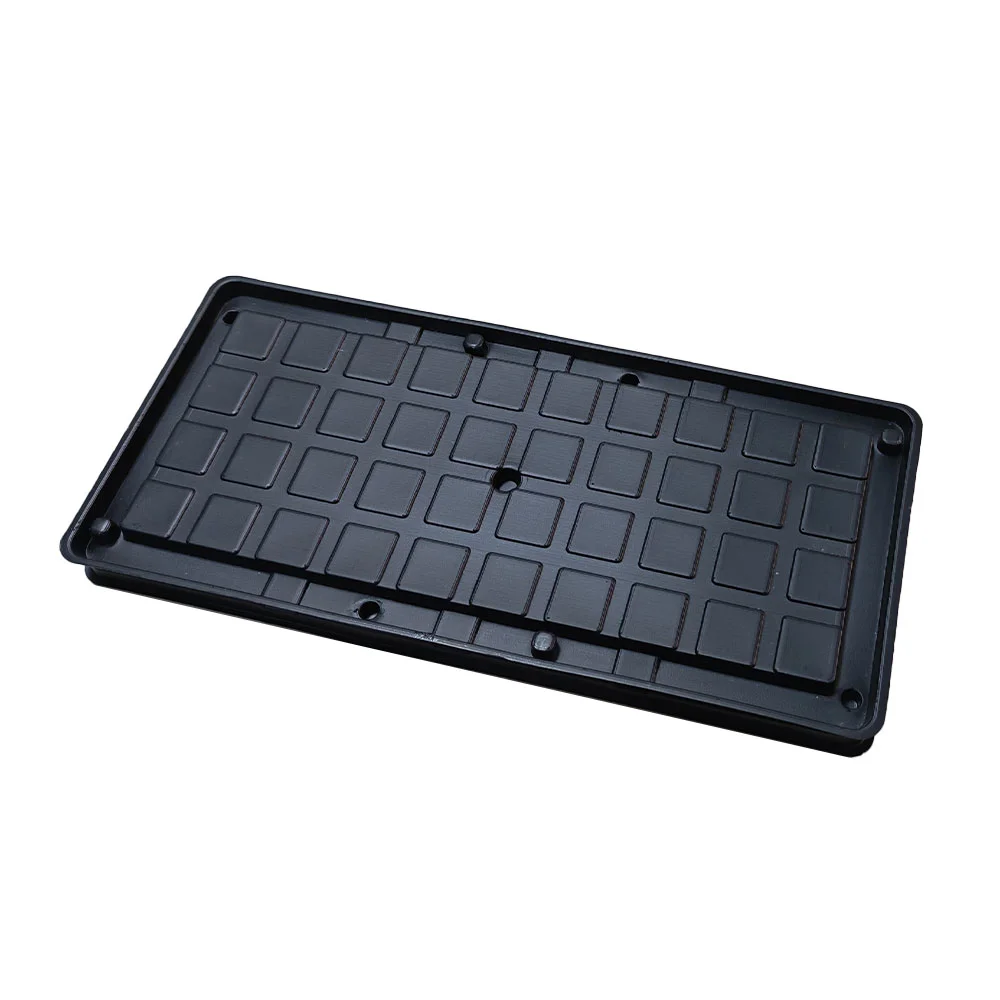
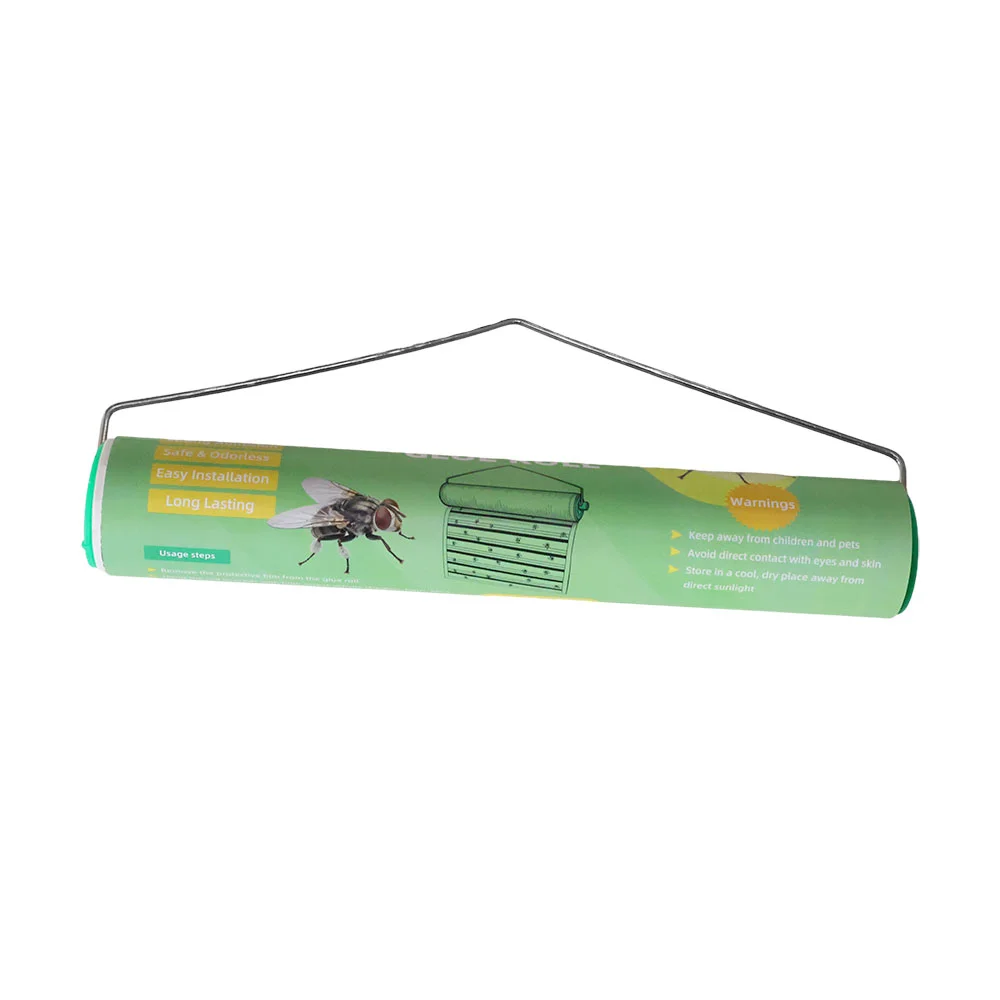
Typically, sticky fly traps consist of a cardboard or plastic backing coated with a high-tack, non-drying adhesive. This specially formulated adhesive is crucial: it stays sticky for prolonged periods, resisting dust and moisture. On top of that, there's often an attractant infused or applied - sometimes a scent or color designed to lure flies in. The backing material must also be robust yet lightweight, resistant to tearing and warping, especially in commercial environments like food processing or warehouses where humidity might be an issue.
For example, a case study from a mid-sized food packaging facility showed that switching to traps from hbarcherfish.com resulted in 40% fewer fly-related complaints. Engineers there noted the adhesive’s resistance to grime build-up was a game changer.
| Product Feature |
Specification |
| Backing Material |
Plastic Reinforced Cardboard or PVC |
| Adhesive Type |
Non-toxic, high-tack, weather-resistant adhesive |
| Dimensions |
Available in 8"x12", 10"x14", customizable sizes |
| Attractant |
Odorless chemical blends or natural scents |
| Shelf Life |
Up to 18 months unopened |
When we dive into the practical advantages, it’s clear why industries lean on these traps. For starters, they’re chemical-free pest control — a big plus in food-related sectors wary of contamination. What’s more, the traps are simple to deploy, require no electricity, and have a low profile, making them ideal for public-facing areas or sterile zones.
In warehouses or meat processing plants, for instance, these traps significantly reduce fly populations, lowering spoilage risk and improving worker comfort. Interestingly, many facilities have integrated them alongside electronic fly control devices, unlocking a layered defense mechanism that’s oddly efficient.
The traps' high-adhesive quality means they catch even the smallest, most persistent pests, which some competitors’ products often miss. Custom sizing and branding further give companies a tailored solution, including printable versions for commercial kitchens seeking compliance and traceability.
| Vendor |
Adhesive Quality |
Material Durability |
Customization Options |
Typical Pricing |
| HB Archerfish |
High tack, long-lasting |
Reinforced cardboard, water-resistant |
Custom sizes & branding |
$$ |
| Competitor A |
Moderate tack |
Standard cardboard |
Limited customization |
$ |
| Competitor B |
Premium adhesive but short life |
PVC plastic backing |
No branding |
$$$ |
Cost, Maintenance & User Experience
Cost-effectiveness is usually top of mind for B2B decision makers. Frankly, sticky fly traps can feel like an inexpensive immediate fix, but the key to real ROI lies in durability and maintenance frequency. The longer a trap stays effective without replacement, the better the bottom line.
HB Archerfish’s formulation means you don’t swap out traps as often due to adhesive breakdown or environmental wear. Customers often report they replace traps every 4-6 weeks instead of bi-weekly, cutting costs and labor significantly. Plus, user feedback often praises the easy installation — no special tools or training required.
One interesting note: some industrial clients observed fewer secondary pest problems since the traps don’t contain pesticides which sometimes disrupt beneficial insect populations. It truly feels like a more balanced approach — not perfect, but a reliable ally in integrated pest management.
Sustainability & Market Trends
Sustainability is evolving from a buzzword to a litmus test for supplier credibility. What are sticky fly traps made of, in the sustainability dimension? Mostly, it boils down to materials that can be responsibly sourced or recycled — and adhesive formulations that avoid harmful volatiles and microplastics.
HB Archerfish has been proactive here, offering traps with biodegradable backings and adhesives free of persistent toxins, aligning with tightening EU and US regulations. Another industry trend is toward reducing plastic use, which challenges suppliers to innovate yet keep quality intact. Oddly enough, many pest control professionals say their customers are more willing to pay a premium for greener products than they thought – a market ready for smarter traps.
On the growth front, forecasts for sticky trap demand remain strong, especially in food and pharma sectors, reflecting global emphasis on contamination control. Knowing what goes into these traps helps businesses make choices that meet both operational and corporate responsibility goals.
Frequently Asked Questions about What Are Sticky Fly Traps Made Of
- What is What Are Sticky Fly Traps Made Of and how does it work?
- Sticky fly traps are devices made of a durable backing material coated with a special adhesive adhesive designed to capture flies and other flying insects. The adhesive is non-toxic, sticky enough to trap flies on contact, and maintains its tackiness over time.
- What are the main benefits of using What Are Sticky Fly Traps Made Of in industrial applications?
- Key benefits include chemical-free pest control, low maintenance, high durability, and the ability to safely use them in hygiene-sensitive environments such as food processing facilities.
- How does What Are Sticky Fly Traps Made Of compare to traditional alternatives?
- Compared to sprays or electric devices, sticky traps offer quiet, chemical-free operation and can be customized in size and adhesive strength. They also require less energy and produce less waste if designed with sustainability in mind.
- What industries can benefit most from What Are Sticky Fly Traps Made Of implementation?
- Industries such as food processing, warehousing, hospitality, pharmaceutical manufacturing, and agriculture find sticky fly traps particularly useful for maintaining hygiene and product integrity.
Conclusion on What Are Sticky Fly Traps Made Of from china
In summary, understanding what sticky fly traps are made of is more than academic—it’s central to selecting reliable, cost-efficient, and sustainable pest control solutions. Whether it’s the quality of non-toxic adhesives or the durability of the backing materials, these design details matter enormously in commercial settings. For B2B buyers seeking resilience combined with environmentally conscious choices, products from hbarcherfish.com definitely merit a closer look.
- Robust design meets industrial need
- Saves maintenance time and cost
- Sustainability compliant, safe, and effective
Visit our website: https://www.hbarcherfish.com
Reflecting on these products, it’s clear: even something as simple as a sticky fly trap conceals layers of engineering and innovation that keep modern industries running smoothly and responsibly.
References:
1. HB Archerfish Product Literature, 2023
2. Industrial Pest Control Case Studies, Food Safety Magazine, 2022
3. Sustainability Guidelines for Pest Control Products, EPA, 2023