The ability to safely and humanely manage wildlife populations is crucial in a world increasingly impacted by human activity. A small live trap provides a non-lethal method for capturing and relocating animals, offering a solution for conflicts between humans and wildlife, and supporting conservation efforts. Its application extends from urban environments dealing with nuisance animals to rural settings requiring population monitoring.
The global relevance of the small live trap is underscored by the growing pressures on ecosystems and the increasing need for sustainable coexistence. According to the UN Environment Programme, biodiversity loss is accelerating, and human-wildlife conflict is a significant threat to both wildlife and human livelihoods. Effective, humane, and readily deployable solutions like these are vital.
The demand for effective and humane animal control solutions is projected to rise, driven by urbanization, agricultural expansion, and climate change. A small live trap addresses this need by providing a responsible method for managing animal populations, minimizing harm, and promoting ecological balance.

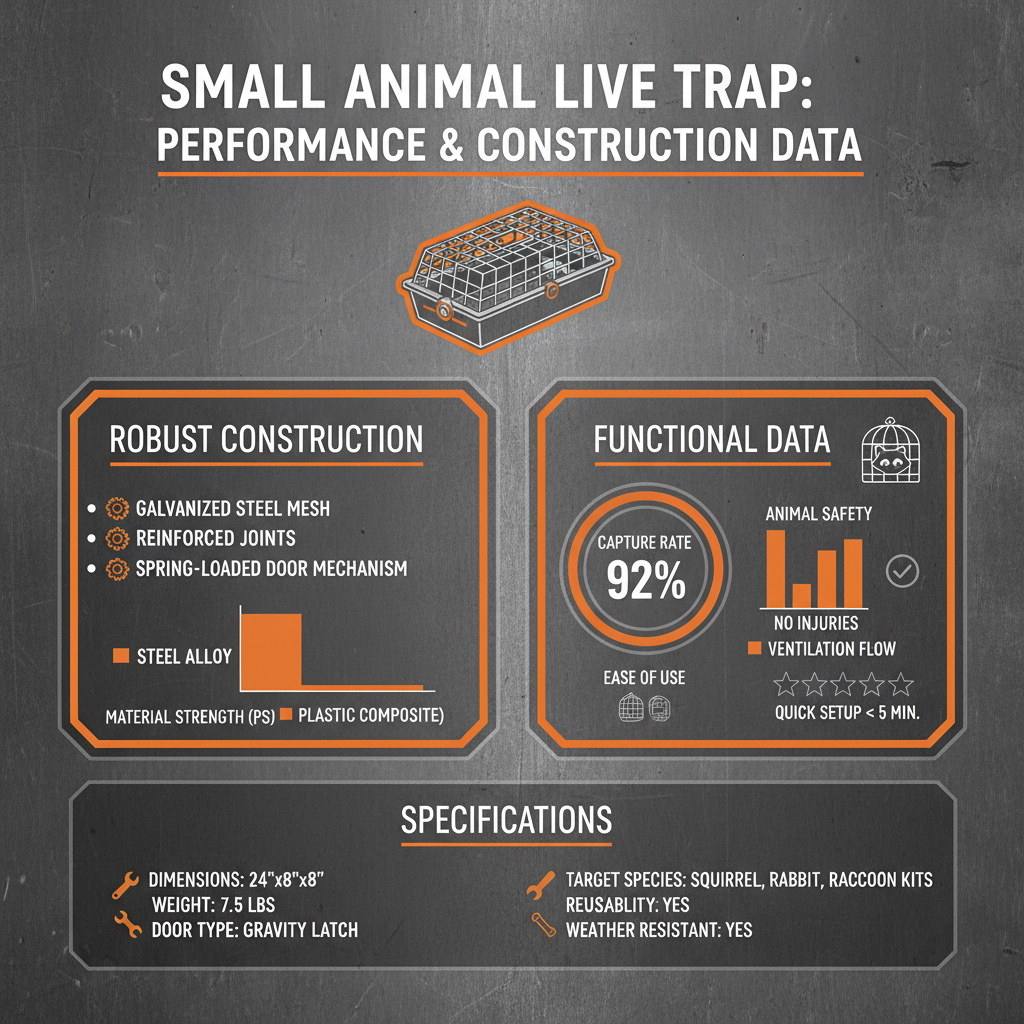
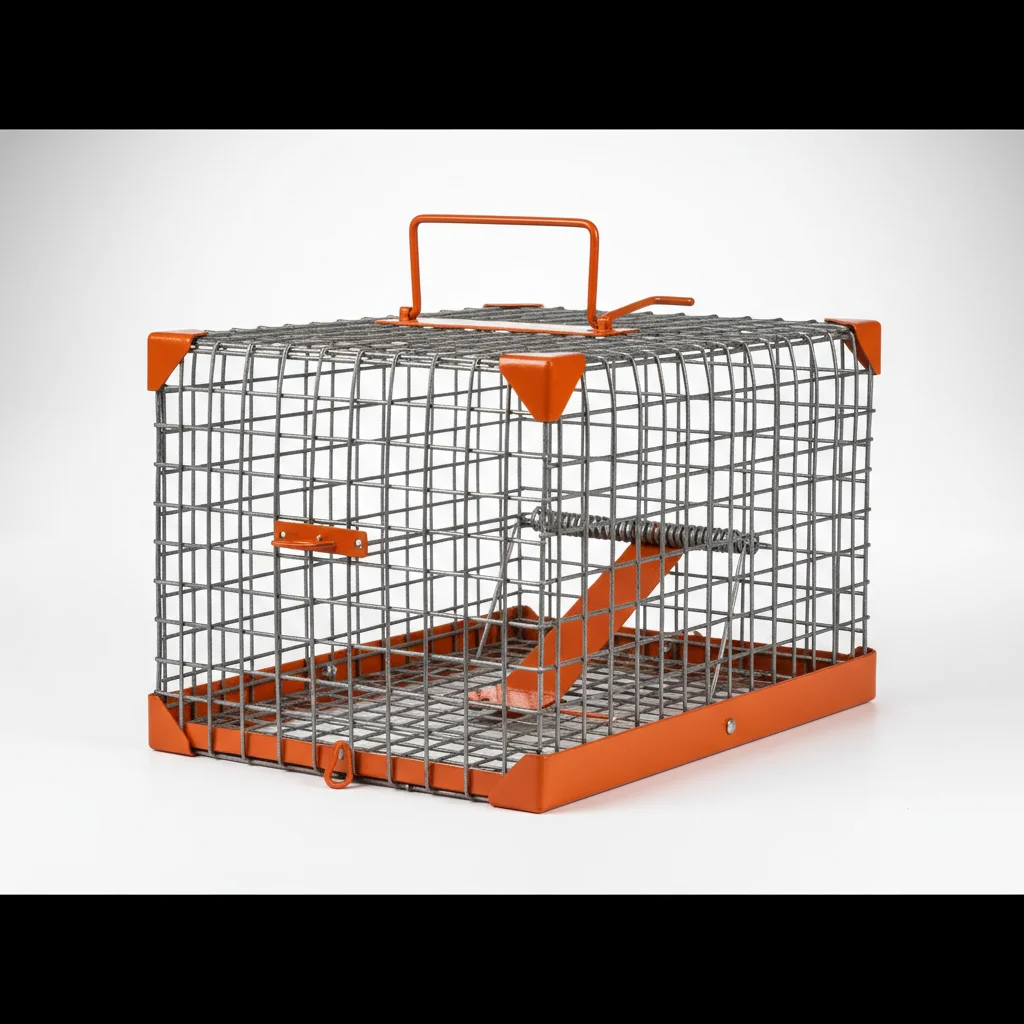
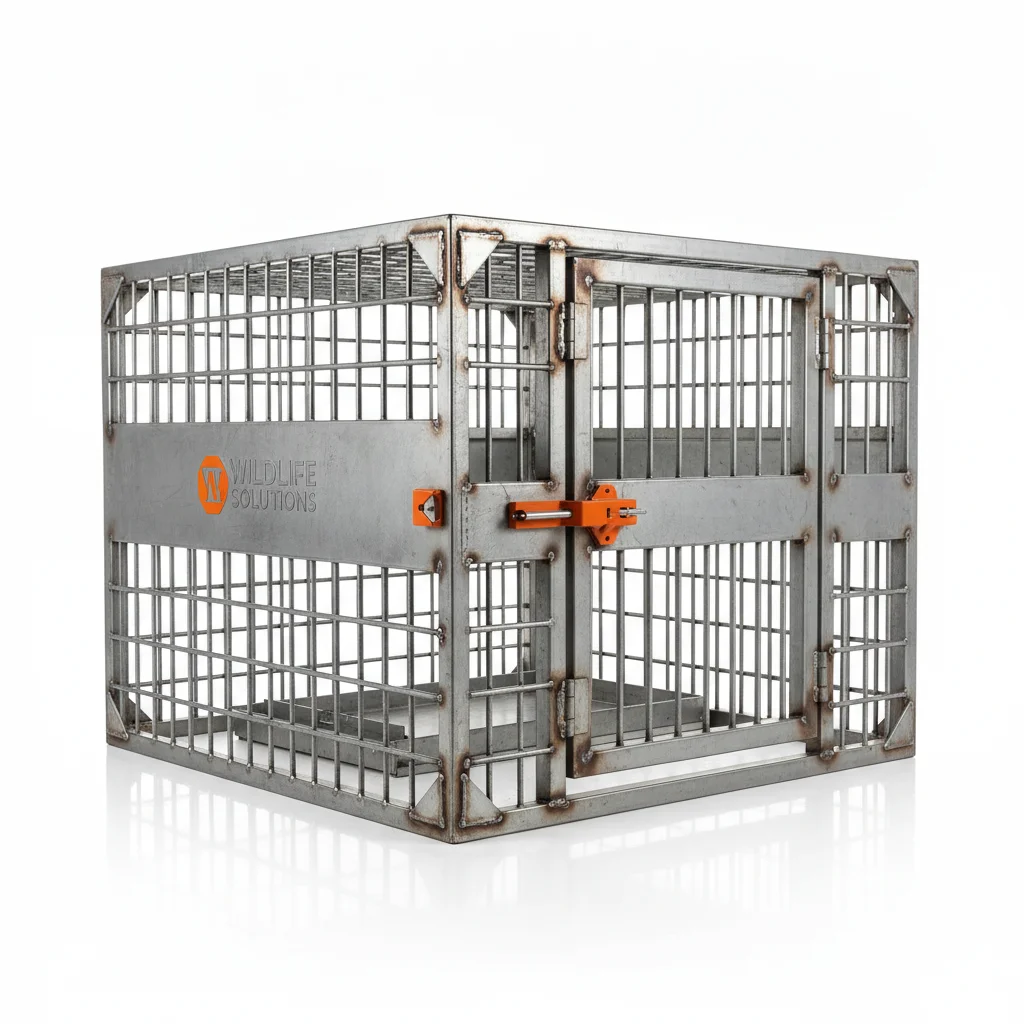
A small live trap is a device designed to capture an animal without causing it harm. These traps are typically constructed from wire mesh or similar materials, and feature a door mechanism that closes when an animal enters, triggered by a bait or a pressure plate. Their primary purpose is to allow for the humane capture, relocation, or observation of animals.
The concept aligns with modern ethical considerations in wildlife management, prioritizing animal welfare while addressing conflicts between wildlife and human populations. It moves away from lethal control methods and promotes a more sustainable and responsible approach to coexisting with the natural world.
For raccoons, a trap size of approximately 32" x 12" x 12" is generally recommended. This provides enough space for the raccoon to enter comfortably without feeling overly confined. Smaller traps may cause stress or prevent capture, while larger traps may be less effective as the raccoon may not trigger the mechanism reliably. Choose a sturdy trap constructed from heavy-gauge wire mesh to prevent escape.
Effective baits vary depending on the target animal. For raccoons, popular choices include marshmallows, peanut butter, sweet corn, or canned sardines. For squirrels, try nuts, seeds, or peanut butter. Always place the bait towards the back of the trap to encourage the animal to fully enter and trigger the mechanism. Consider the animal's natural diet when selecting bait.
Check your small live trap at least twice daily, preferably morning and evening. Animals trapped for extended periods can become stressed, dehydrated, or injured. Regularly checking the trap ensures humane treatment and minimizes suffering. In extreme weather conditions (heat or cold), check more frequently.
Relocation regulations vary significantly by location. It's crucial to check your local and state laws before relocating any wildlife. Some areas prohibit relocation altogether, while others require permits or specific release locations. Releasing animals into unsuitable habitats can have negative consequences for both the animal and the environment.
Wear protective gloves and clothing when handling a trapped animal. Approach the trap calmly and avoid sudden movements. Position the trap on a level surface and open the door slowly, allowing the animal to exit on its own. Do not attempt to force the animal out. Release the animal in a safe and suitable habitat, away from human activity.
Preventative measures are key to reducing wildlife conflicts. Secure garbage cans with tight-fitting lids, remove bird feeders, clean up fallen fruit, and seal any potential entry points into your home or other structures. Maintaining a clean and tidy property will make it less attractive to wildlife. Removing food sources is the most effective strategy.
The small live trap represents a significant advancement in humane wildlife management. Its ability to capture animals without causing harm, combined with its versatility and ease of use, makes it an invaluable tool for addressing human-wildlife conflict and promoting conservation efforts. Understanding its mechanics, appropriate applications, and evolving technologies is crucial for effective and ethical wildlife control.
Looking ahead, continued innovation in trap design and monitoring capabilities will further enhance its effectiveness and minimize stress on captured animals. By embracing responsible wildlife management practices, and utilizing tools like the small live trap, we can foster a more sustainable and harmonious relationship with the natural world. Visit our website at www.hbarcherfish.com to explore our range of trapping solutions.